
A Mindful Start
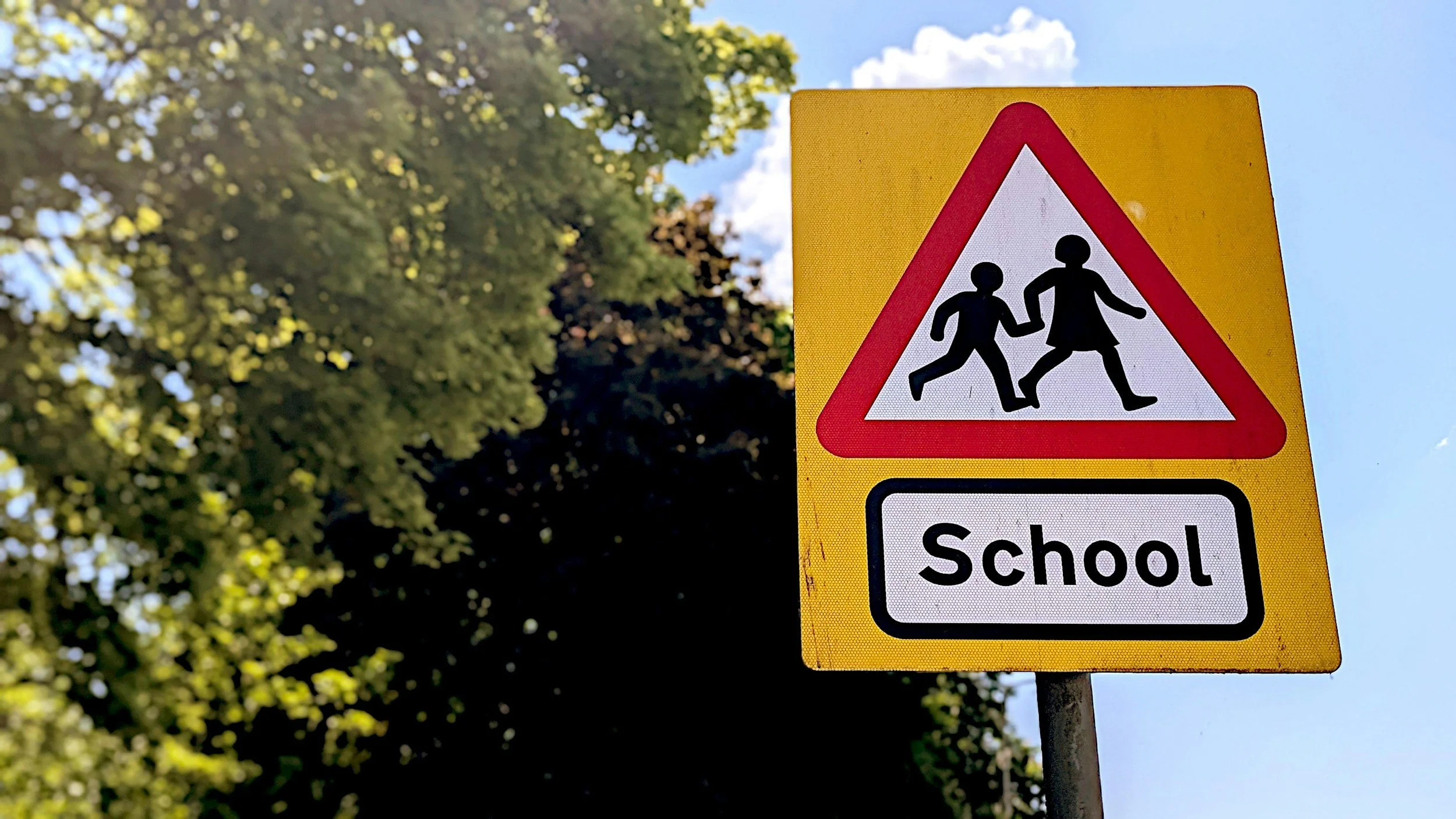
A picture of a school sign for the road.
Helping Kids Navigate Big Feelings as They Head Back to School
A new school year brings so many emotions. There may be excitement about seeing friends again, curiosity about a new teacher, nervousness about walking into a different classroom, sadness about summer ending, or worry about not knowing exactly what to expect. And sometimes, all of those feelings show up at once.
As a kids' yoga teacher, one of the most important things I hope children learn is that we don't have to get rid of uncomfortable emotions. We can learn how to notice them, accept them, and take care of ourselves while we're feeling them.
As families prepare for another school year, it's a wonderful time to begin practicing mindfulness and emotional regulation at home. Not so children can be calm and happy all the time—but so they can begin building a relationship with their emotions that says:
"I can feel this, and I know what to do next."
Make Room for All the Back-to-School Feelings
We often ask children:
"Are you excited for school?"
And hopefully, they are!
But they might also be nervous.
Or disappointed.
Or scared.
Or unsure.
Children can experience more than one emotion at the same time, just like adults do. Instead of immediately trying to turn an uncomfortable feeling into a positive one, try making space for it. If your child says, "I'm scared about my new class," you might respond:
"It makes sense to feel nervous when you don't know what something will be like yet."
Acceptance doesn't mean agreeing that something bad will happen. It simply communicates: Your feelings are allowed here.
When children don't have to fight their emotions, they can begin learning how to move through them.
Teach Children to Notice What's Happening in Their Bodies
Emotions aren't only something we experience in our minds. We feel them in our bodies, too.
Worry might feel like butterflies in the belly.
Anger might feel like hot cheeks or tight fists.
Sadness might feel heavy.
Excitement might feel like a body that simply cannot stop moving!
In my yoga classes, I encourage children to become curious about these sensations.
Try asking:
"Where do you feel that feeling in your body?"
There isn't a right answer. We're simply helping children develop the ability to pause and notice what is happening inside themselves.
That awareness is an important first step toward emotional regulation.
Create a Simple Morning Mindfulness Ritual
School mornings can become busy very quickly.
Shoes.
Backpacks.
Lunchboxes.
Water bottles.
"We're going to be late!"
Even one minute of intentional calm can help change the energy of the morning.
Before leaving for school, try taking three slow belly breaths together.
Place one hand on the belly.
Breathe slowly through the nose and feel the belly expand.
Then gently exhale.
You can even add a simple intention for the day:
"Today I will be kind."
"Today I will try something new."
"Today I can ask for help."
"Today I will remember to breathe."
It's a small ritual, but it gives children an opportunity to connect with themselves before stepping into a busy day.
Give Them a "Calm-Down Toolbox"
One of my favorite things to teach children is that there are many different ways to help our bodies regulate.
What works for one child may not work for another.
Their personal toolbox might include:
Belly breathing
Counting five slow breaths
Stretching
Drinking water
Asking for a hug
Sitting somewhere quiet
Squeezing and relaxing their hands
Talking to a trusted adult
Taking a movement break
Naming what they're feeling
Practice these tools when your child is already calm.
When we practice mindfulness only during a meltdown, it can feel like another demand. Practicing during peaceful moments helps these strategies become familiar so they're easier to reach for when big emotions arrive.
Remember: Regulation Doesn't Mean "Stop Crying"
Sometimes we unintentionally teach children that emotional regulation means becoming happy again as quickly as possible.
But that's not really the goal.
Regulation is learning how to experience an emotion without becoming completely overwhelmed by it.
A child can be regulated and still be sad.
They can be regulated and disappointed.
They can be regulated and nervous about walking into school.
We aren't teaching children to push feelings away. We're helping them understand:
"I can feel nervous and still walk into my classroom."
"I can feel angry and choose not to hurt someone."
"I can feel disappointed and take some breaths while I work through it."
That is a powerful skill that takes time and practice.
Try an After-School Check-In
After holding it together through a long school day, some children come home ready to talk.
Others absolutely do not.
Instead of asking a dozen questions as soon as they get in the car, consider giving them a little space to decompress.
Offer a snack.
Turn on some music.
Go outside.
Let their bodies move.
Later, try a simple check-in:
"What felt good today?"
"Was there anything that felt hard?"
"What feeling showed up the most today?"
And sometimes, simply sitting beside your child without requiring conversation is exactly what they need.
Let Your Child See You Regulate, Too
Children learn mindfulness not only from the things we teach them, but also from watching us.
You don't need to model perfect calm. In fact, there is something incredibly valuable about letting your child see you recognize your own emotions and respond to them in a healthy way.
You might say:
"I'm feeling overwhelmed because we're running late. I'm going to take one slow breath before we leave."
Or:
"I'm frustrated right now, so I'm going to give myself a minute before we talk about this."
You're showing your child that emotions aren't something to be ashamed of—and that adults need coping tools, too.
A Back-to-School Breathing Practice
Before the first day of school, try this simple practice together.
Sit comfortably and place one hand over your heart and one over your belly.
Take a slow breath in.
And a long breath out.
Then quietly repeat:
"I can feel excited."
Breathe.
"I can feel nervous."
Breathe.
"I can feel more than one thing at a time."
Breathe.
"Whatever I feel, I can take care of myself."
One final slow breath.
And you're ready.
Starting the Year With Something More Important Than Perfect
As a new school year begins, there can be so much focus on getting everything just right—the supplies, the schedule, the bedtime routine, the lunches, and the activities.
But perhaps one of the greatest things we can prepare is something that doesn't fit inside a backpack.
We can help our children begin the year knowing that every emotion has a place.
They don't have to be fearless to be brave. They don't have to feel calm every moment to know how to find calm again. And they don't need to have everything figured out on the first day.
Neither do we.
A new school year is a transition, and transitions take time. So as your family steps into this next season, remember to leave a little room for the excitement, the nerves, the messy mornings, the deep breaths, and everything in between.
We're not trying to raise children who never struggle with big feelings.
We're helping them become children who know that when big feelings come, they have the tools to meet them with understanding, kindness, and one slow breath at a time. 💛

Tiny Travelers, Big Adventures
From an airplane, the photo shows an airplane wing with white topped mountain peaks.
Tips for Traveling Abroad with Young Children
Traveling abroad with young children can feel equal parts exciting and overwhelming. There are bags to pack, passports to remember, flights to catch, naps to navigate, and the inevitable question every parent asks themselves:
"Is this trip going to be worth it?"
As a kids' yoga teacher, my answer is almost always yes.
Will everything go according to plan? Probably not.
Will your child remember every museum or famous landmark? Maybe not.
But they will remember how it felt to discover a new place with the people they love. They'll remember chasing pigeons through a plaza, tasting fresh fruit from a market, collecting seashells on a new beach, or falling asleep on your shoulder after a long day of exploring.
Travel isn't just about seeing the world—it's about helping children experience it with curiosity, confidence, and wonder.
Here are a few gentle tips to help your family enjoy the journey.
Adjust Your Expectations
This might be the most important travel tip of all.
Traveling with children is different from traveling before becoming a parent—and that's okay.
You may not visit every attraction on your list.
You may stop for snacks more often than sightseeing.
You may spend an extra hour watching ducks in a park because your child is completely captivated.
Instead of measuring success by how much you accomplish, measure it by how connected your family feels.
Sometimes the slowest days become the most memorable ones.
Keep a Few Familiar Routines
Everything around your child may be new—the language, the food, the sounds, even the time zone.
Keeping a few familiar routines can provide a comforting sense of stability.
Simple routines might include:
Reading the same bedtime story each night
Bringing a favorite stuffed animal or blanket
Singing your usual bedtime song
Taking three calming breaths together before bed
Children don't need everything to stay the same. They just need a few familiar anchors.
Pack Comfort Alongside Necessities
Of course you'll pack clothes and toiletries, but don't forget the little comforts that help your child feel secure.
Consider bringing:
A favorite stuffed animal
A familiar bedtime book
Coloring supplies
Small travel games
Headphones for quiet time
Healthy snacks for long travel days
Sometimes the smallest items bring the biggest sense of comfort.
Make Movement Part of the Adventure
Long flights, train rides, and sightseeing can be tiring for little bodies.
Whenever possible, build movement into your day.
During airport layovers, encourage your child to:
Walk instead of sitting
Stretch their arms toward the sky
Balance on one foot
Pretend to be different animals
In our yoga classes, we often become flamingos, butterflies, trees, or sleepy bears. These playful movements help release extra energy while making waiting feel a little more fun.
Even five minutes of movement can make a big difference.
Let Curiosity Lead
Children notice things adults often miss.
A colorful door.
A musician playing on the street.
A tiny bakery tucked into a quiet corner.
A butterfly resting on a flower.
Slow down enough to explore what catches their attention.
Ask questions like:
"What do you notice?"
"What smells different here?"
"What sounds can you hear?"
These moments nurture mindfulness and remind children that travel is about experiencing a place—not rushing through it.
Be Flexible with Food
Trying new foods is one of the joys of travel, but it's also okay if your child needs a little familiarity.
Encourage tasting without pressure.
Invite them to explore one new food each day while also offering foods you know they'll enjoy.
Remember, positive experiences around food usually happen when curiosity replaces pressure.
Prepare for Big Feelings
Travel is exciting, but it can also be exhausting.
Jet lag, busy airports, unfamiliar routines, and sensory overload can lead to tears or meltdowns—even for children who are usually easygoing.
When big feelings arise, remind yourself:
Your child isn't giving you a hard time. They're having a hard time.
Sometimes what they need most is:
A quiet cuddle
A snack
A drink of water
A few deep breaths
A slower pace
Giving everyone permission to rest is often the best travel decision you can make.
Practice a Simple Travel Breathing Exercise
One of my favorite travel tools is something children can use anywhere.
Invite your child to place one hand on their belly.
Take a slow breath in through the nose.
Slowly breathe out through the mouth.
Then ask:
"Can we find five things we see?"
"Four things we hear?"
"Three things we can touch?"
This gentle mindfulness activity helps children reconnect with the present moment when travel starts to feel overwhelming.
Capture Memories Beyond Photos
Photos are wonderful, but children also love collecting memories in other ways.
You might:
Save train tickets or museum maps
Collect postcards
Press flowers (where permitted)
Keep a simple travel journal
Draw one favorite memory each evening
These small traditions help children reflect on their experiences and build lasting family stories.
The Greatest Souvenir
When children travel, they aren't just learning about new countries.
They're learning flexibility.
They're discovering that people can speak different languages and still share smiles.
They're experiencing kindness from strangers.
They're learning that the world is wonderfully diverse, and that there are many ways to live, eat, celebrate, and connect.
These lessons can't always be packed into a suitcase, but they become part of who they are.
Home Is More Than a Place
At the end of every yoga class, we remind children that they can always return to their breath—a place of calm they carry wherever they go.
Travel offers a similar lesson.
Home isn't only the house we return to. Home is the feeling of safety we create with the people we love.
Whether you're wandering through cobblestone streets, hiking in the mountains, exploring a bustling city, or watching the sunset from a quiet beach, your presence is what makes the adventure feel secure.
So take the picture.
Order the unfamiliar dessert.
Pause to watch your child splash in the fountain or marvel at a street performer.
Because years from now, they may not remember every destination.
But they'll remember how it felt to explore the world with you—and that just might be the greatest gift of all. 🌍💛

One Breath at a Time
The breath is one of the most powerful calming tools we carry around with us. It’s a very important part of yoga and what I love teaching to children.
As adults, we often think of breathing as something automatic—something we don't have to think about. But when we feel worried, overwhelmed, or anxious, our breathing changes. It becomes faster, shallower, and stays high in our chest. Our bodies begin preparing for danger, even when we're safe.
Children experience this, too.
Whether they're nervous about the first day of school, frustrated with a friend, overwhelmed by a busy classroom, or simply having a hard day, learning how to slow their breathing can help their bodies remember that they are safe.
In my kids' yoga classes, we spend time practicing breathing exercises when everyone is already feeling calm. That way, these tools become familiar and comforting before children need them during a difficult moment.
Why Breathing Matters
Our breath and our nervous system are closely connected.
When we take slow, intentional breaths, we send gentle signals to our brain that it's okay to relax. Our heart rate begins to slow, muscles soften, and our minds often become a little quieter.
This doesn't make big feelings disappear.
Instead, it helps create enough calm for children to move through those feelings with greater confidence.
Think of breathing as pressing the "pause" button before reacting.
Belly Breathing: Let Your Belly Be the Balloon
One of my favorite breathing techniques to teach young children is belly breathing.
Many children naturally breathe this way when they're asleep, but as we grow older, stress and busy schedules can lead us to take shorter, shallower breaths.
Belly breathing invites us back to a fuller, deeper breath.
How to Practice Belly Breathing
Invite your child to lie comfortably on their back or sit in a relaxed position.
Place one hand on the belly.
Then say something like:
"Imagine there's a balloon inside your tummy. As you breathe in through your nose, slowly fill the balloon. As you breathe out through your mouth, gently let the balloon get smaller."
Encourage them to notice:
Their belly rising as they inhale
Their belly softening as they exhale
Their shoulders staying relaxed
You can even place a small stuffed animal on their belly and watch it gently rise and fall with each breath. This simple visual often makes the exercise feel playful and engaging.
Breath Counting: Giving Busy Minds Something Gentle to Focus On
Sometimes anxious thoughts begin to race.
Children may find themselves thinking about everything at once.
Breath counting gives the mind one simple job: counting.
It creates an anchor that gently brings attention back to the present moment.
Try This Together
Breathe in slowly.
Breathe out slowly.
Count:
"Inhale... one."
"Exhale... two."
Then continue:
"Inhale... three."
"Exhale... four."
Work your way up to ten, then begin again.
There is no goal other than noticing the breath.
If thoughts wander—and they will—that's okay.
Simply begin counting again.
Practice Before Big Feelings Arrive
One of the biggest misconceptions about calming techniques is that we should introduce them only when a child is already having a meltdown or panic attack.
In reality, children learn these skills best when they're already feeling safe and regulated.
Think of breathing exercises like learning to swim.
We practice before we need to jump into deep water.
That's why we incorporate breathing into every yoga class—not because children are upset, but because we're building a skill they can carry with them wherever they go.
A Gentle Note About Anxiety and Panic
Every child experiences worry differently.
Some children become quiet.
Some become tearful.
Some become extra energetic.
Some complain of tummy aches or headaches.
For children who experience anxiety or panic, breathing techniques can be incredibly supportive because they help calm the body's stress response.
At the same time, it's important to remember that breathing exercises are one tool among many. They are not a cure for anxiety disorders or panic disorders. If your child is experiencing frequent or intense anxiety that interferes with daily life, reaching out to your pediatrician or a qualified mental health professional can provide additional support and guidance.
Teaching children healthy coping skills and seeking professional help when needed can go hand in hand.
Practice Together
One of the most beautiful gifts you can give your child is to breathe alongside them.
Children learn so much by watching the adults they trust.
The next time your family is feeling rushed or overwhelmed, pause together.
Place one hand on your belly.
Take a slow breath in.
Slowly breathe out.
Count together if you'd like.
No pressure.
No perfection.
Just one breath at a time.
Growing Calm from the Inside Out
In yoga, we often remind children that being brave doesn't mean never feeling scared. It means learning what to do when those big feelings show up.
Every slow breath is a quiet reminder:
"I am here."
"I am safe."
"I can move through this."
These small moments of mindful breathing may only last a minute or two, but over time, they help children build something incredibly meaningful—a sense of calm they can carry with them wherever life takes them.
And sometimes, all it takes to begin is one deep breath. 💛
Cozy Indoor Activities for Florida Families
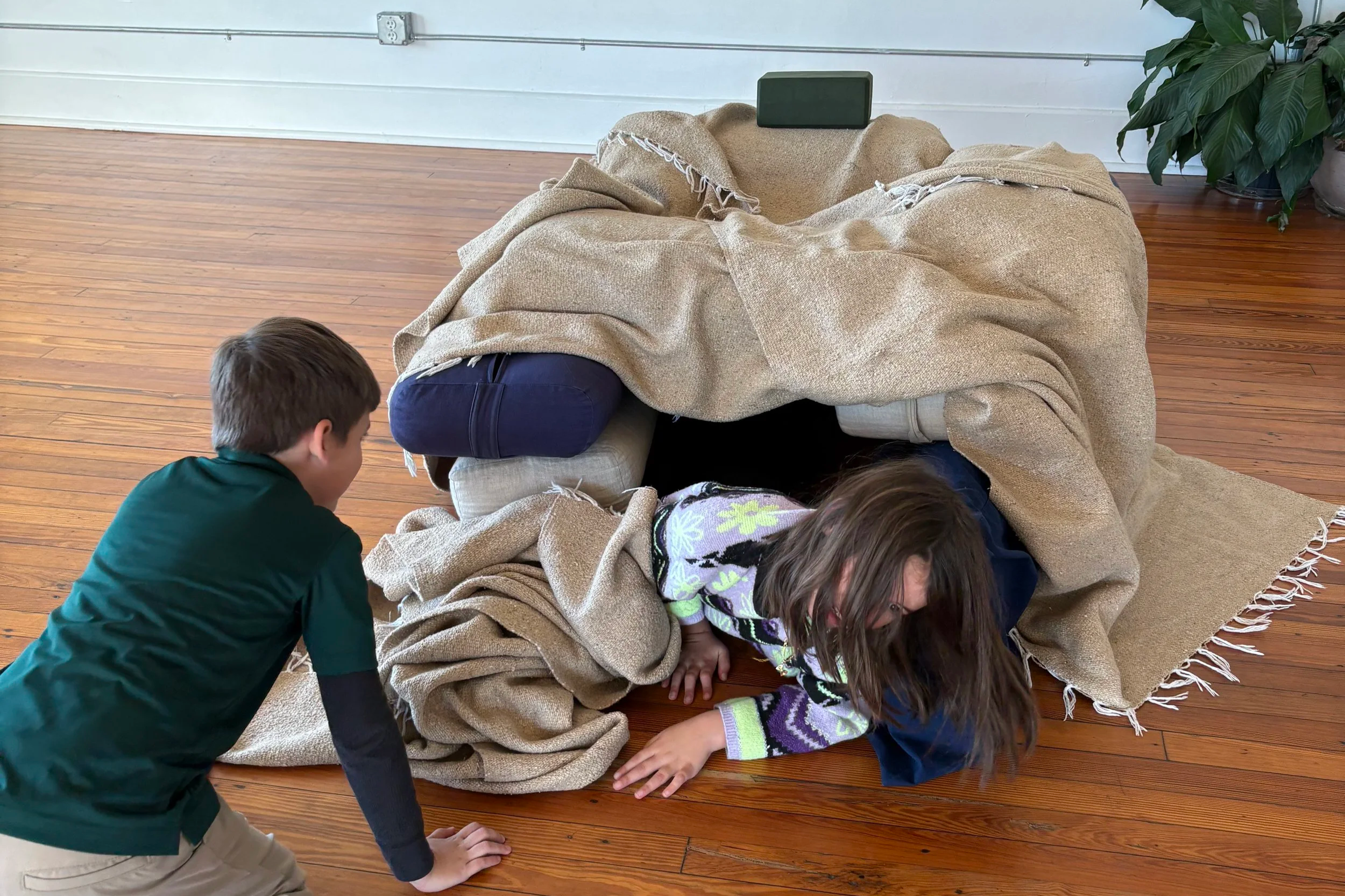
A fort built by young elementary-aged students using yoga props like bolsters, blocks, and blankets.
If you've spent even one summer in Florida, you know the routine. The morning begins with bright sunshine and big plans for outdoor adventures, and by afternoon, the heat feels like a warm blanket wrapped around the entire state. Add in a surprise thunderstorm or two, and suddenly everyone is looking for something to do indoors.
As a kids' yoga teacher, I've learned that children don't necessarily need elaborate entertainment. What they truly crave is connection, creativity, movement, and a little bit of magic.
So when the summer heat sends your family indoors, consider it an invitation to slow down and create special memories together. Here are some of my favorite ways to turn an ordinary afternoon into a meaningful family adventure.
Build the Ultimate Indoor Fort
If there were an official symbol of childhood, I think it might be a blanket fort.
There's something magical about transforming a living room into a secret hideaway. Children love creating spaces that feel like their own, and fort-building encourages problem-solving, teamwork, creativity, and imaginative play.
What You'll Need
Blankets or sheets
Couch cushions
Pillows
Dining room chairs
Clothespins or binder clips
Stuffed animals
Flashlights or battery-powered fairy lights
Tips for Building the Best Fort
Start with a strong foundation.
Arrange chairs, couches, or tables to create the structure before draping blankets over the top.
Layer blankets strategically.
Heavier blankets work best across the roof, while lighter sheets can create walls and doors.
Don't forget comfort.
Fill the inside with pillows, stuffed animals, sleeping bags, and cozy blankets.
Create a special entrance.
A flap door or "secret tunnel" instantly makes the fort feel more magical.
Add a personal touch.
Encourage your child to create a fort name and make a sign for the entrance.
Fort Activities That Keep the Fun Going
Once the fort is complete, the adventure has only just begun.
Try:
Reading books together
Listening to audiobooks
Drawing or coloring
Telling silly stories
Playing card games
Having a picnic lunch inside
Practicing a few gentle yoga poses
One of my favorite yoga activities is "Fort Yoga."
Inside the fort, invite your child to become:
A sleeping bear (Child's Pose)
A stretching cat (Cat Pose)
A brave lion (Lion's Breath)
A butterfly resting in a flower garden (Butterfly Pose)
The enclosed space often helps children slow down and focus in a way that feels calming and safe.
Bring the Kitchen to Life
One of the best indoor activities isn't really an activity at all—it's preparing food together.
Cooking teaches so many valuable life skills while creating opportunities for connection and conversation. Children feel proud when they contribute to family meals, and they're often more willing to try new foods when they've helped prepare them.
The goal isn't perfection.
The goal is participation.
Age-Appropriate Kitchen Helpers
Ages 4–6
Young children love simple jobs that allow them to feel helpful.
Try:
Washing fruits and vegetables
Stirring ingredients
Tearing lettuce
Adding measured ingredients
Decorating sandwiches
Choosing toppings
Ages 7–9
Older children can take on a bit more responsibility.
Try:
Measuring ingredients
Reading simple recipes
Cracking eggs
Mixing batters
Assembling wraps or salads
Helping create a grocery list
These small tasks build confidence while teaching practical skills they'll carry into adulthood.
Easy Summer Meals to Make Together
Rainbow Fruit Kabobs
Children love creating colorful patterns with fruit.
Try:
Strawberries
Pineapple
Grapes
Melon
Blueberries
Talk about the colors of the rainbow while assembling each skewer.
DIY Personal Pizzas
Set out:
Mini pizza crusts
Sauce
Cheese
Veggies
Let everyone create their own masterpiece.
Children often enjoy eating vegetables much more when they get to arrange them themselves.
Smoothie Creation Station
Place ingredients on the counter and let children choose combinations.
Try:
Frozen bananas
Strawberries
Mango
Spinach
Yogurt
Coconut water
Ask:
"What should we call this smoothie?"
You'll likely end up with names like "Dragon Power Smoothie" or "Unicorn Sunshine Blend."
Summer Snack Boards
Invite your child to help arrange:
Cheese cubes
Crackers
Sliced fruit
Veggies
Hummus
Pretzels
Creating beautiful food displays helps children develop ownership and creativity around healthy eating.
Slow Down and Connect
Sometimes we feel pressure to fill summer days with constant activities and outings. But some of the most meaningful memories are made during the simple moments.
A fort built from couch cushions.
A smoothie with a silly name.
A shared laugh while stirring pancake batter.
A story read together under a blanket roof while rain taps against the windows.
These moments may seem small, but they are often the ones children carry with them for years.
A Summer Invitation
The next time Florida's heat sends your family indoors, try viewing it as an opportunity instead of a limitation.
Build the fort.
Bake the muffins.
Spread out the blankets.
Read the books.
Take a few deep breaths together.
Because sometimes the best summer adventures aren't found at a theme park or a beach.
Sometimes they're found in a cozy fort in the middle of the living room, surrounded by the people we love most. ☀️💛🏠
What Moms Really Want for Mother’s Day: Understanding Love Languages
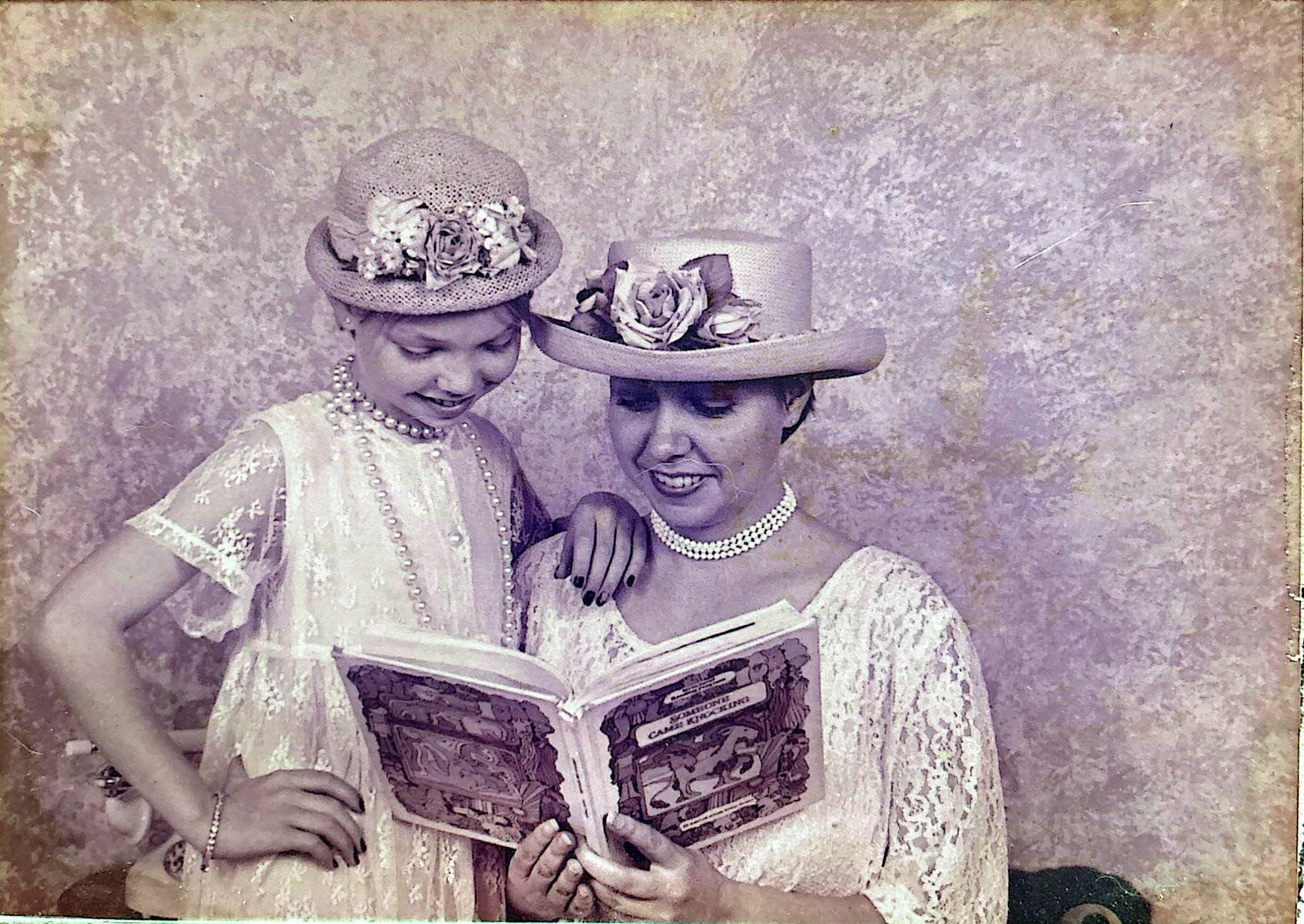
Mother and daughter in 50’s clothing reading a book together. Photo is in black and white
Mother’s Day often arrives with flowers, cards, breakfast trays, and thoughtful gifts. And while many moms truly appreciate those sweet gestures, what most mothers deeply long for usually goes far beyond a present wrapped in ribbon.
As a kids’ yoga teacher, I spend a lot of time around families, and one thing I’ve noticed is that mothers are often carrying so much invisible work—emotionally, mentally, physically, and energetically. Many moms aren’t necessarily asking for perfection on Mother’s Day. What they really want is to feel seen, appreciated, supported, and loved in a meaningful way.
One beautiful way to think about this is through the idea of the five love languages—the different ways people tend to give and receive love.
Understanding a mother’s love language can help children, partners, and families celebrate her in ways that truly fill her heart.
1. Words of Affirmation
“I want to hear that I matter.”
For some moms, heartfelt words mean everything.
This might look like:
A handwritten card from a child
A sincere “thank you” for all she does
A partner noticing the small things she handles every day
Kind words spoken out loud during dinner or family time
Children ages 4–9 often say the sweetest, most honest things when given a little guidance.
You might ask your child:
“What is your favorite thing Mom helps you with?”
“What makes Mom special?”
Even one genuine sentence can become something a mother remembers forever.
2. Acts of Service
“Help me feel supported.”
Many moms spend their days caring for everyone else. For mothers whose love language is acts of service, feeling helped can feel incredibly emotional.
Sometimes what moms truly want is:
Someone else folding the laundry
A quiet kitchen after breakfast instead of a mess to clean
Help with bedtime
A moment where they don’t have to manage every detail
For children, acts of service can be simple:
Helping clean up toys
Watering plants
Making Mom a snack
Setting the table with care
In yoga, we often teach children that kindness can be shown through actions—not just words.
3. Quality Time
“I want meaningful connection.”
Some moms simply want uninterrupted time with the people they love most.
Not rushed.
Not distracted.
Not multitasking.
Quality time could look like:
A family walk outside
A cozy movie night
Doing yoga together in the living room
A picnic at the park
Sitting together and talking without phones nearby
Children naturally crave connection too, and shared moments often become the memories families treasure most.
4. Physical Touch
“I want comfort and closeness.”
For some mothers, physical affection speaks louder than words.
This could mean:
Long hugs
Snuggling during storytime
Holding hands during a walk
A child climbing into her lap after a long day
Young children especially express love through touch so naturally. A warm cuddle and a whispered “I love you” can completely soften a mother’s heart.
Even in yoga classes, partner poses and mindful connection activities remind children that safe, loving touch can help people feel calm, connected, and cared for.
5. Receiving Gifts
“I want to feel remembered.”
Gift-giving is sometimes misunderstood as materialistic, but for many people, gifts symbolize thoughtfulness and care.
The most meaningful gifts are often simple and personal:
A handpicked flower
A homemade card
A photo together
A small craft made with love
A framed drawing or handwritten note
For moms, the deeper message is often:
“You were thought about. You matter to us.”
What Moms Often Want Most
At the heart of it all, many mothers are longing for the same things:
To feel appreciated
To feel emotionally supported
To feel connected to their family
To rest without guilt
To feel loved not just for what they do, but for who they are
Motherhood can be incredibly beautiful, but also exhausting and emotionally demanding. Sometimes the most meaningful gift is simply being noticed.
A Gentle Mother’s Day Practice for Families
Here’s a simple activity families can do together:
Sit in a circle and take three slow breaths together. Then invite each family member to answer:
“One thing I love about Mom is…”
“One thing Mom does that helps me feel loved is…”
Mom included.
Mom deserves space to receive love, too.
The Heart of Mother’s Day
Whether it’s flowers, breakfast in bed, a handmade card, or a quiet afternoon together, the most meaningful Mother’s Day gifts are the ones that say:
“We see you.”
“We appreciate you.”
“You don’t have to carry everything alone.”
And sometimes, those are the gifts mothers need most of all. 🌷💛

Holding Steady Through Hard Times
There are seasons in life that feel heavier than others. Parents, you do your best to carry what’s difficult while still showing up with love and steadiness for our children. But children are deeply perceptive—they notice shifts in energy, tone, and routine, even when words are left unspoken.
As a kids’ yoga teacher, I often hold space for children who are moving through big feelings—sometimes their own, and sometimes the emotions they sense from the adults around them. One of the most important things I’ve learned is this: we don’t need to hide hard moments from children—we need to guide them through those moments in a way that feels safe and age-appropriate.
Children Don’t Need Perfection—They Need Presence
It can feel instinctual to try to shield children from stress, sadness, or uncertainty. But what children truly need isn’t a perfectly calm parent—they need a present and grounded one.
It’s okay for your child to know you’re having a hard day. What matters is how it’s shared.
Instead of overwhelming them with details, you might say:
“I’m feeling a little sad today, but I’m taking care of myself. Thank you for being here with me.”
This helps children understand that:
Feelings are normal
Emotions come and go
There are healthy ways to cope
Keep It Simple and Honest
Children ages 4–9 are still learning how to understand the world. When explaining something difficult, simple and clear language is best.
You don’t need to share everything—just enough to help them feel included and safe.
For example:
“Something is changing right now, and we’re figuring it out.”
“This is a hard time, but we are okay.”
Children often fill in gaps with their imagination, so gentle clarity can actually bring them more peace than silence.
Let Them Be Part of the Process (In Small Ways)
Including your child doesn’t mean placing emotional weight on them—it means allowing them to feel connected and helpful.
Small invitations can go a long way:
Asking them to sit with you during a quiet moment
Letting them help with simple routines like cooking or tidying
Taking a walk together and noticing nature
In yoga, we often talk about co-regulation—the idea that children feel calm when they are close to a calm adult. Even if you don’t feel completely calm, your willingness to pause and be together is powerful.
Create Gentle Anchors in the Day
During uncertain times, routines can feel like soft places to land.
These don’t need to be rigid—just consistent moments your child can count on:
A bedtime story
A few deep breaths before school
A “high and low” check-in at dinner
A short stretch or yoga flow together
These small rituals remind children: “Even when things feel different, some things stay the same.”
Make Space for Their Feelings, Too
Children may not always say, “I’m worried” or “I’m confused.” Instead, it may show up as extra energy, clinginess, frustration, or withdrawal.
Try to meet these moments with curiosity instead of correction.
You might say:
“I notice you seem a little upset. Do you want to talk or take a few breaths together?”
In my classes, we practice giving feelings a name—because once a feeling is named, it often becomes less overwhelming.
You Are Allowed to Be Human
One of the most meaningful lessons you can offer your child is this: it’s okay to have hard days.
When children see you take a breath, pause, and continue forward—even imperfectly—they learn resilience in a very real way.
You are modeling:
How to move through emotions
How to ask for support
How to keep going with care
A Gentle Practice to Share
If things feel heavy, try this simple moment together:
Sit side by side.
Place one hand on your heart, one on your belly.
Take three slow breaths.
You can say:
“We’re safe. We’re together. We can take this one breath at a time.”
The Heart of It All
Hard times don’t take away your child’s sense of safety—disconnection does. And connection doesn’t require perfection. It just asks for presence, honesty, and love.
You are already doing more than you think.
And even in the middle of uncertainty, your steady presence is something your child can always come home to. 💛
Inviting Kids Into Spring Cleaning
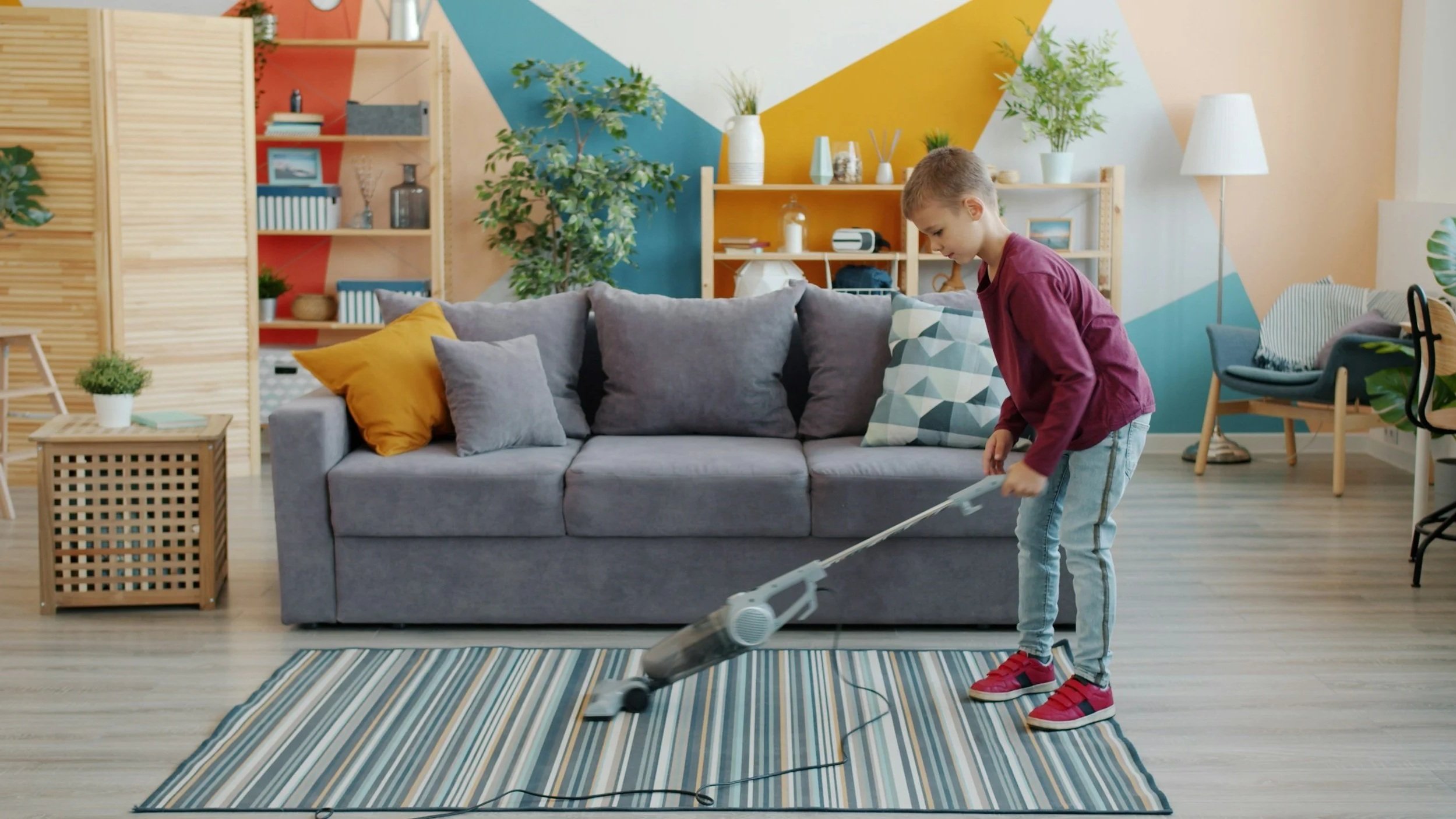
A 8 year old child vacuuming a rug in her living room with a determined facial expression
As the days grow longer and the sunlight begins to pour through the windows, many of us feel the familiar urge to open the doors, shake out the rugs, and refresh our homes. Spring cleaning has a way of bringing new energy into our spaces—and it can also be a beautiful opportunity to invite children into the rhythm of caring for their environment.
In my kids’ yoga classes, we often talk about the idea of taking care of the spaces that take care of us. Just like we practice caring for our bodies with movement and breath, we can also practice caring for our homes together as a family.
When children are invited into spring cleaning with curiosity and playfulness, it becomes less about chores and more about teamwork, responsibility, and pride in shared spaces.
Start With a “Helper Mindset”
Children naturally want to feel capable and included. When we invite them to help in a way that feels meaningful—not forced—they often rise to the occasion.
Try shifting the language from “chores” to “helping our home feel fresh and cozy.”
You might say:
“Our home has taken such good care of us this winter. Let’s help it feel bright and clean for spring.”
This simple reframing helps children feel like partners rather than workers.
Make It Playful
Young children learn best through imagination and movement. Turning cleaning into a game can transform the experience completely.
Some playful ideas include:
• The Toy Rescue Mission – Toys that are scattered around the room need to be “rescued” and brought back to their homes.
• Dusting Dance Party – Put on music and dance while wiping surfaces.
• Sock Matching Challenge – Turn laundry sorting into a puzzle game.
• Stuffed Animal Supervisors – Let a favorite toy “watch” and cheer them on while they help.
In yoga we often say that play is one of the best teachers, and the same is true at home.
Give Kids Ownership
Children feel proud when they are trusted with responsibility. Choose small, age-appropriate tasks that allow them to feel capable.
For ages 4–6, this might include:
• Sorting toys into baskets
• Wiping low surfaces
• Helping fold washcloths or small towels
• Watering plants
For ages 7–9, children can often help with:
• Organizing bookshelves
• Vacuuming small spaces
• Matching and folding laundry
• Decluttering toys or clothes they have outgrown
When children see the results of their work, they begin to develop a sense of confidence and contribution.
Practice Gratitude While Letting Go
Spring cleaning is also a wonderful time to teach children about gratitude and generosity. As you sort through toys or clothes, invite them to reflect:
“Is there another child who might enjoy this now?”
This helps children understand that letting go can create space—not only in our homes, but also in our hearts.
End With a Moment of Calm
After cleaning together, take a few minutes to pause as a family.
In my yoga classes, we often take a few slow breaths at the end of our practice to notice how our bodies feel. You can do the same after a morning of cleaning.
Sit together and take three slow breaths. Notice the fresh space around you.
You might say:
“Look at how bright and cozy our home feels. We helped create that together.”
These moments of reflection help children connect their effort with the feeling of care, pride, and calm.
The Bigger Lesson
Spring cleaning may seem like a simple household task, but when children are included in a positive and supportive way, it becomes something much deeper.
They learn that their actions matter.
They learn that caring for spaces is a form of kindness.
And they learn that working together can actually feel good.
Just like in yoga, small practices repeated with love often grow into lifelong habits.
And sometimes, those habits begin with a tiny helper holding a dust cloth and a very big smile. 🌷🧹
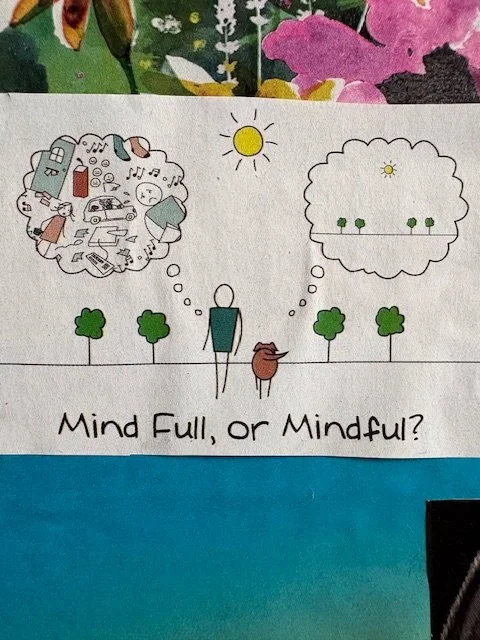
What Is Mindfulness?
What exactly is mindfulness for children?
It’s a wonderful question — because mindfulness sounds like a big, grown-up concept. But for children, mindfulness is actually something very simple and very natural.
Mindfulness is paying attention to what is happening right now with kindness and curiosity.
That’s it.
Children are not learning something foreign when we introduce mindfulness. We are helping them return to skills they already have — noticing, wondering, feeling, and experiencing the world fully.
Mindfulness Through a Child’s Eyes
Adults tend to live in the future or the past:
thinking about tomorrow’s schedule
replaying yesterday’s worries
multitasking through the day
Children, however, are naturally present.
They can spend ten minutes watching an ant carry a crumb or feeling the wind move through their hair. That is mindfulness.
Our role as parents isn’t to teach children to sit perfectly still or clear their minds. Instead, we help them notice their experiences and understand their feelings.
Mindfulness for kids simply means:
✨ noticing their breath
✨ noticing their body
✨ noticing their feelings
✨ noticing the world around them
Why Mindfulness Matters
Between ages four and ten, children are learning how to:
manage big emotions
navigate friendships
build confidence
handle frustration and disappointment
Their brains are still developing the skills needed for emotional regulation. Mindfulness acts like a gentle bridge between feeling and reacting.
When children practice mindfulness regularly, they begin to learn:
I can pause before reacting.
Feelings come and go.
My body gives me clues about my emotions.
I have tools to help myself feel calm.
These are lifelong skills — not just childhood lessons.
How I Explain Mindfulness to Children
Children understand mindfulness best through imagery and play. Here are explanations parents can easily use at home:
For ages 4–6:
“Mindfulness means noticing what’s happening right now — like being a quiet detective using your eyes, ears, and breath.”
For ages 7–10:
“Mindfulness is when we slow down enough to notice our thoughts, feelings, and body without trying to change them right away.”
You might also say:
“Let’s check in with our bodies.”
“Let’s notice three things we can see.”
“Let’s take a calm breath together.”
Simple language works beautifully.
What Mindfulness Looks Like at Home
Mindfulness doesn’t require long meditations or perfect silence. In fact, children learn best through short, everyday moments.
You can practice mindfulness during:
🌿 Transitions — before school or bedtime
🌿 Big emotions — frustration, anger, excitement
🌿 Nature walks — noticing sounds and colors
🌿 Meals — tasting food slowly
🌿 Movement — stretching, yoga, or dancing
Even one mindful minute counts.
A Simple Family Mindfulness Practice
Try this together tonight:
The Five Senses Check-In
Name one thing you see
One thing you hear
One thing you feel with your body
One thing you smell
Take one slow breath together
It takes less than a minute, but it gently teaches presence and awareness.
What Mindfulness Is Not
Parents sometimes worry they’re doing mindfulness “wrong.” Let me reassure you:
Mindfulness is not:
forcing children to sit still
stopping thoughts
fixing emotions
demanding calm behavior
Children will wiggle, giggle, and sometimes resist — and that’s completely normal.
Mindfulness is simply learning to notice.
The Parent’s Role: Modeling Calm
The most powerful mindfulness teacher in a child’s life is not an app, class, or technique.
It’s you.
When children see adults pause, breathe, and respond gently to stress, they learn that calm is something humans practice — not something we are born knowing.
You don’t need perfection. You just need participation.
Sometimes the most mindful moment is a parent saying:
“I’m feeling frustrated. I’m going to take a breath.”
That small act teaches emotional intelligence more than any lesson ever could.
Planting Seeds for the Future
Mindfulness gives children something incredibly valuable: a relationship with themselves.
As they grow, face challenges, and eventually enter the teenage years, mindfulness becomes an inner anchor — a way to return to steadiness when life feels overwhelming.
We are not teaching children to avoid big feelings.
We are teaching them they are safe enough to feel them.
And that is a gift they carry for life.
With calm breaths and open hearts,
Alexis 🌿
Growing Into Themselves
Identity Development from Ages 5–12 & the Power of Self-Care
Between the ages of 5 and 12, children move from simply experiencing the world to beginning to understand who they are within it. They start asking deeper questions — sometimes out loud, sometimes quietly in their hearts:
Am I good at this?
Do people like me?
Where do I belong?
Who am I becoming?
These years are foundational. And the gentle habits we help them build now can shape how confidently they step into adolescence.
Identity in the Early Years (Ages 5–7)
Around age five, children begin comparing themselves to others. They notice who runs faster, reads earlier, draws better, or gets picked first. Their sense of identity is still tender and highly influenced by feedback from parents, teachers, and peers.
At this stage, identity often sounds like:
“I’m good at art.”
“I’m not good at math.”
“I’m shy.”
“I’m the silly one.”
These statements begin forming the internal story they carry about themselves.
What children need most here is encouragement that focuses on effort, kindness, and curiosity — not just performance. When we celebrate persistence and bravery, we help them see themselves as capable and growing.
Identity Expands (Ages 8–10)
As children move into middle childhood, their social world widens. Friendships deepen. Peer opinions matter more. They become increasingly aware of group belonging and social dynamics.
They may experiment with:
Clothing styles
Hobbies and interests
Friend groups
Personal values
This is also when self-consciousness begins to emerge. They may worry more about fitting in or standing out too much.
Their internal narrative grows more complex:
“People think I’m funny.”
“I don’t want to be different.”
“I wish I was better at…”
This is a powerful window to introduce self-care as something that belongs to them — not something adults impose, but something they choose.
Preparing for the Tween & Teen Years (Ages 11–12)
As children approach adolescence, identity development accelerates. Hormonal shifts, body changes, academic pressures, and social hierarchies all intensify.
They begin asking:
“What do I believe?”
“Who are my people?”
“How do I want to be seen?”
If they enter these years without internal tools for regulation and reflection, it can feel overwhelming. But when children have practiced self-awareness and self-care, they step into this transition with more steadiness.
How Self-Care Strengthens Identity
Self-care in childhood does not need to be elaborate. It simply needs to be consistent and empowering.
When children practice self-care, they learn:
1. My feelings matter.
Whether through journaling, mindful breathing, quiet time, or yoga, children begin to recognize and honor their inner world.
2. I can support myself.
Instead of waiting for someone else to fix their discomfort, they learn they have tools within reach.
3. I am more than my performance.
Self-care reinforces identity beyond grades, sports, or popularity. It roots them in self-worth rather than external validation.
4. I have space to reflect.
Reflection builds clarity. Clarity builds confidence.
Age-Appropriate Self-Care Practices
Ages 5–7
Belly breathing with a stuffed animal
Gratitude circles at dinner
Simple yoga flows
Drawing feelings with colors
Ages 8–10
Short guided meditations
“Rose & Thorn” daily reflections
Movement breaks to reset emotions
Creative expression (art, music, storytelling)
Ages 11–12
Journaling prompts about values and friendships
Personal calming routines
Setting small goals and reflecting on progress
Quiet independent time to decompress
The goal is not perfection. The goal is familiarity.
Confidence Comes From Within
When children consistently experience themselves as capable of calming down, reflecting, and caring for their bodies and minds, they develop something incredibly powerful: internal trust.
And internal trust becomes the foundation of teenage confidence.
Teen years will still bring challenges. There will still be growth, mistakes, and big emotions. But a child who has practiced self-care enters adolescence knowing:
I can pause.
I can breathe.
I can think about who I want to be.
I have tools.
That quiet inner voice becomes stronger than outside noise.
As parents and caregivers, we don’t need to script our children’s identities. We simply need to create safe spaces where they can discover themselves — and give them tools to care for who they are becoming.
With gentle guidance and steady support, we help them grow not just into teenagers… but into confident, grounded young people.
With warmth,
Alexis

Gentle Breaths, Big Feelings
Helping Children Practice Breath Work Safely
As parents, we often wish we could hand our children a simple tool for calming big feelings, settling busy minds, and feeling safe in their own bodies. Breathwork is one of those tools — and when introduced gently and age-appropriately, it can become a lifelong resource for emotional regulation and self-awareness.
In my kids yoga classes, we don’t talk about “controlling the breath.” Instead, we explore breathing as a friendly helper — something that’s always with us, ready to support us when emotions feel big or overwhelming. At home, parents can facilitate breathwork in much the same way: softly, playfully, and without pressure.
Why Breathwork Helps Children
Children experience emotions in their bodies long before they can name them. Slow, mindful breathing helps activate the body’s calming response, supporting the nervous system and creating space between a feeling and a reaction. Over time, this builds emotional resilience, focus, and confidence.
For younger children especially, breath work works best when it’s imaginative and brief — think blowing up a balloon, smelling a flower, or gently rocking a stuffed animal with the rise and fall of the belly.
How Parents Can Introduce Breath Work
The most powerful thing you can do is model calm breathing yourself. Children learn far more from what we do than what we say. Invite them to breathe with you during moments of calm, not just during meltdowns. This helps breathwork feel safe and familiar rather than corrective.
You might say:
“Let’s take a few cozy breaths together.”
or
“Want to help your teddy fall asleep with your breathing?”
Keep it light, optional, and short — even two or three breaths can be enough.
Breath Work Dos for Kids
✔ Do keep it playful and imaginative
Use imagery, stories, or props like stuffed animals, bubbles, or pinwheels.
✔ Do focus on gentle, natural breathing
Encourage slow inhales through the nose and relaxed exhales through the mouth without forcing depth.
✔ Do practice during calm moments
Bedtime, story time, or quiet transitions are ideal for building familiarity.
✔ Do follow your child’s lead
If they lose interest, that’s okay. Breathwork should always feel like an invitation, not a task.
✔ Do keep sessions brief
One to three minutes is plenty for young children.
Breath work Don’ts for Kids
✘ Don’t force breathing exercises during emotional overwhelm
When emotions are very high, children may need connection first before regulation.
✘ Don’t use breath work as a punishment or correction
Breathing is a supportive tool, not a consequence for behavior.
✘ Don’t encourage breath-holding or rapid breathing
Avoid techniques that could cause dizziness or discomfort.
✘ Don’t over-explain
Children don’t need the science — they need the experience.
✘ Don’t expect instant calm
Breathwork is a practice, not a switch. Its benefits build gently over time.
A Gentle Reminder
Every child is different. Some children will love breathing games right away, while others may need time just watching you model them. Trust that even brief, imperfect moments of mindful breathing are planting seeds.
When children learn that they can use their breath to feel safe and steady, they gain something truly empowering — a tool they carry with them long after childhood.
If you’re curious, try asking your child tonight:
“Would you like to try a breathing game before bed?”
You may be surprised by how eagerly they say yes.
With calm breaths and kind hearts,
Alexis Billings
Social-Emotional Learning
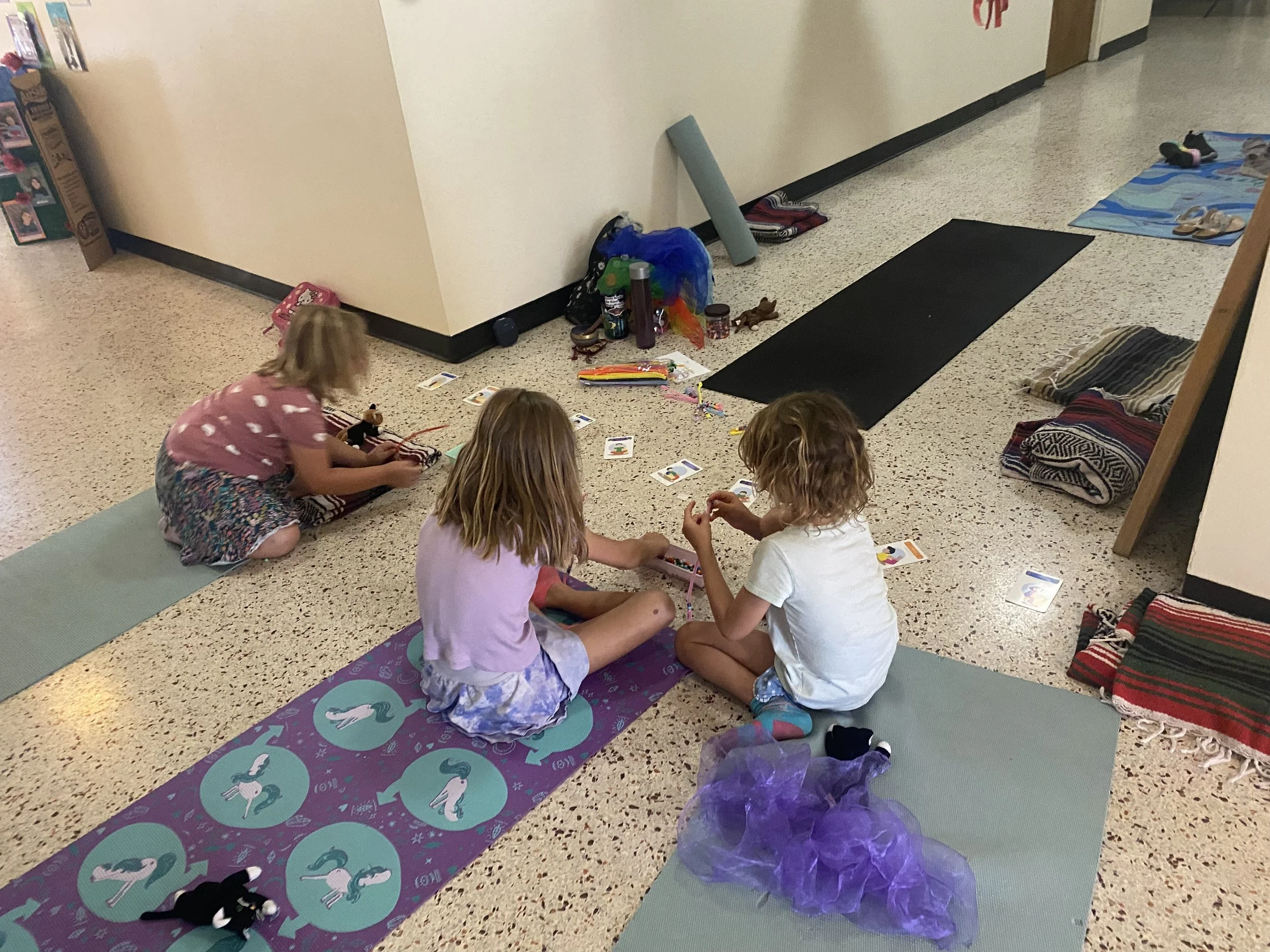
Children on yoga mats engaged in an activity in a kids yoga after-school class.
As a kids’ yoga teacher, I often say that yoga is about so much more than stretching our bodies—it’s about stretching our hearts and minds, too. In my classes with children, I work to incorporate social-emotional learning and movement. I am continually surprised by how children genuinely enjoy discussing and learning about emotions!
The early years of a human are a beautiful and sensitive time. Children are learning who they are, how they feel, and how to move through the world with others. Social-emotional learning equips them with the tools to accomplish all of this with confidence, kindness, and self-awareness.
What Is Social-Emotional Learning?
Social-emotional learning (SEL) is the practice of helping children understand and manage their emotions, build healthy relationships, and make thoughtful choices. For young children, this doesn’t happen through lectures—it happens through experience.
In yoga class, SEL looks like:
Naming emotions during poses (“How does your body feel right now?”)
Practicing calm breathing when feelings feel big
Taking turns, listening, and respecting personal space
Learning that all feelings are welcome—even the wiggly, grumpy, or shy ones
Ages 4–6: Learning to Feel and Express
For younger children, social-emotional learning starts with awareness. Many children at this age feel deeply but don’t yet have the words to explain what’s happening inside.
Through playful poses, stories, and breathing games, we practice:
Recognizing emotions in the body
Expressing feelings in safe, creative ways
Trying again when something feels hard
Learning that it’s okay to ask for help
When a child learns, “I feel frustrated—and I can breathe through it,” that’s a powerful life skill taking root.
Ages 7–9: Building Empathy and Confidence
As children grow, their social world expands. Friendships become more complex, emotions more layered, and self-talk more noticeable.
In yoga, we gently guide older children to:
Notice how their actions affect others
Practice empathy and compassion
Build confidence without comparison
Use mindfulness to manage stress and pressure
Yoga becomes a place where they can slow down, check in, and remember that they are enough—just as they are.
Why Yoga Is a Natural Home for SEL
Yoga invites children to pause and listen—to their breath, their bodies, and their feelings. It teaches them that calm is something they can create from within, and that kindness begins with how they treat themselves.
When children practice social-emotional learning in a joyful, supportive environment, those lessons follow them—into the classroom, onto the playground, and back home with their families.
A Gentle Invitation
If you have a child between the ages of 4 and 9, I invite you to ask them a simple question today:
“Would you like to try a yoga class where we learn about feelings?”
You may be surprised by how eagerly their hearts say yes. 🌱
Growing Kind Hearts
A woman practicing yoga against a wall with a heart-opening pose.
Helping Children Learn Love Through Everyday Moments
One of the most beautiful parts of working with children is witnessing just how naturally kindness flows from them. A shared smile on the mat, a little hand reaching out to help a friend balance, a whispered “Are you okay?” when someone feels sad — these tender moments remind me every day that love is something children understand deeply.
And yet, kindness is also something that grows.
It blossoms through practice, nurtured gently by the adults who guide them.
As parents and caregivers, you have such a precious opportunity to help kindness take root in your child’s heart — and yoga, mindfulness, and everyday connection can help it flourish.
🌸 Kindness Begins with Awareness
Before children can offer kindness to others, they first learn to understand their own feelings.
When a child knows what calm feels like, what frustration feels like, what joy feels like, they begin to recognize those emotions in the people around them.
This awareness becomes empathy — the foundation of kindness.
A simple way to nurture this is to check in with your child throughout the day:
“How does your heart feel right now?”
“What do you think your friend felt when that happened?”
These small conversations gently expand their emotional world and help them notice the feelings of others with care.
🌿 Movement Teaches Compassion
In children's yoga, kindness often shows up in the body long before it arrives in words.
When children practice partner poses, they learn to support and be supported.
When they fall and giggle and try again, they learn patience.
When they see a friend struggling to balance, they cheer instead of compete.
Movement becomes a language of love.
These simple experiences teach children that kindness feels good — in their bodies, in their hearts, and in their friendships.
💛 Mindfulness Makes Space for Love
Kindness blooms in moments of stillness.
When children pause to breathe, they soften. Their nervous systems settle, their emotions ease, and their hearts open.
Mindfulness helps children slow down enough to notice:
the friend who needs help,
the sibling who needs space,
the parent who needs a hug.
Try a simple loving-kindness practice at bedtime or after school:
“May I be happy.
May I be safe.
May I be kind.
May others be happy, safe, and kind too.”
These gentle phrases plant seeds of compassion that grow stronger with repetition.
🌈 Modeling Kindness Makes All the Difference
Children learn kindness by watching it lived.
They hear it in your tone, see it in your gestures, and feel it in your presence.
When you speak gently after a hard moment,
offer patience instead of pressure,
or show compassion to yourself on a challenging day —
your child learns that kindness starts within.
You don’t have to be perfect.
You just have to be present, and loving, and human.
🌻 The Heart of It All
Teaching children to be kind isn’t about memorizing polite words — it’s about helping them feel connected, capable, and loved.
A child who knows they are deeply loved naturally becomes more loving.
A child who feels safe becomes more gentle.
A child whose emotions are honored learns to honor the emotions of others.
Every breath, every warm hug, every playful yoga pose becomes part of how your child learns to move through the world with softness and compassion.
Kindness is not something we train — it’s something we nurture.
And your child’s heart is ready to bloom.
💕 A Gentle Invitation
If you’d like to help your little one explore kindness through movement, breath, and mindful play, ask them if they’d like to try a yoga class made just for children. Together, we’ll stretch our bodies, open our hearts, and grow kindness from the inside out.
With love and light,
Alexis Billings
Thankfulness vs. Gratitude
This article explains the difference between gratitude and thankfulness. Gratitude is a mindset that grows with the practice of thankfulness. I suggest ways to model gratitude to your kids and how to cultivate it as a family.
Dear sweet families,
As the seasons shift and we gather a little closer, many of us find ourselves reminding our children to “say thank you.” It’s a beautiful habit — a small phrase that teaches kindness and respect. But beneath those two simple words lies something even deeper, something that grows slowly in the heart like a seed: gratitude.
In my children’s yoga classes, we talk a lot about feelings — where they live in our bodies and how they change. Gratitude is one of the most magical feelings to explore. It’s softer and quieter than thankfulness, yet it stays with us longer.
🌿 Thankfulness: A Moment of Appreciation
Thankfulness is often a reaction — something we feel in the moment when something kind happens.
When someone shares a snack, offers a hug, or gives us a gift, we feel thankful. It’s that spark of warmth that reminds us life is good right now.
For children, thankfulness is often taught first through words — saying “thank you” to express appreciation. It’s beautiful and important, but it’s also fleeting. Thankfulness lives in a single moment, like the sparkle of sunlight on water.
🌸 Gratitude: A Way of Seeing the World
Gratitude, on the other hand, is deeper. It’s a way of noticing and appreciating all the good that surrounds us — even when things aren’t perfect.
Gratitude asks us to pause and see beauty in small things: the smell of morning pancakes, the warmth of a blanket, the sound of laughter from the next room.
While thankfulness is what we say, gratitude is what we feel and carry.
It lives in the heart and grows through awareness, mindfulness, and connection. When children begin to notice how much goodness already exists in their lives — from family and friends to simple moments of joy — gratitude becomes part of who they are.
🌈 Helping Children Experience Gratitude
Here are a few gentle ways to help gratitude bloom in your child’s life:
🌸 Practice “finding little delights.”
At bedtime or mealtime, ask: “What made your heart happy today?” It doesn’t have to be big — it could be a hug, a funny moment, or a favorite snack. This helps children shift from saying thanks for things to feeling gratitude for moments.
🌿 Create a gratitude ritual.
Light a candle or take a deep breath together before eating, and each share one thing you’re thankful for. Rituals help children connect gratitude with presence — the feeling of being right here, right now.
💛 Model mindful gratitude.
Children learn what we live. When you pause to notice a beautiful sky or say aloud, “I’m so grateful for our cozy home,” your child absorbs that awareness. Gratitude becomes something they feel, not just something they’re told to do.
🕊️ Pair gratitude with movement.
In yoga, gratitude can be expressed through the body — a gentle bow, a heart-opening stretch, or a hand on the chest. Encourage your child to take a deep breath, place a hand over their heart, and say, “Thank you, body. Thank you, day.”
🌻 When Thankfulness Turns Into Gratitude
When children practice both, thankfulness becomes the doorway to gratitude. It starts with a “thank you” — but with awareness, it deepens into a steady sense of joy and appreciation that shapes how they see the world.
Thankfulness teaches children to acknowledge kindness.
Gratitude teaches them to feel it, hold it, and pass it on.
And that’s the magic — when thankfulness moves from words to the heart, it grows into a lifelong practice of love.
💕 A Gentle Invitation
If you’d like to help your child explore mindfulness and gratitude through movement and play, ask them if they’d like to try a yoga class made just for kids. Together, we’ll stretch, breathe, and open our hearts — learning that gratitude, like yoga, is something we can always return to.
With love and light,
Alexis Billings

Just Breathe
Learn new ways to breathe and connect with the breath through these techniques! It’s a powerful tool that is always available. Be more present together by practicing these exercises.
Simple Ways to Bring Calm and Connection into Everyday Moments
Children are natural feelers. Their hearts are big, their emotions are bright, and their energy can shift in the blink of an eye. Breathing is one of the simplest, most powerful ways we can help them move through those feelings — and it doesn’t require any special tools or extra time. With just a few mindful breaths, you can turn ordinary moments into opportunities for calm and connection.
🌬️ 1. Balloon Belly Breaths
Perfect for: mornings, transitions, or winding down
Invite your child to place their hands on their belly and imagine it’s a balloon. As they breathe in through their nose, they gently fill the balloon — round and full. As they breathe out through their mouth, the balloon softens and deflates.
This simple visualization helps children feel their breath and body working together. It encourages slow, deep breathing that sends signals of safety and calm to the nervous system — helping everyone start the day grounded and peaceful.
🐝 2. Bumblebee Breath (Bhramari)
Perfect for: calming strong emotions or releasing energy
Ask your child to close their eyes, take a slow breath in, and hum softly like a buzzing bee on the exhale. The gentle vibration soothes the body and focuses the mind, creating a peaceful hum that kids love.
You can make it playful — “Let’s see who can make the softest, calmest buzz!” — or use it as a quiet reset when emotions feel big. Bumblebee breath teaches children that calm can come from within.
🌈 3. Rainbow Breathing
Perfect for: mindful playtime or before bed
Hold your arms out to the sides and imagine drawing a big rainbow over your head as you breathe in, then lower your arms as you breathe out.
Each color of the rainbow can represent a feeling or wish: red for love, orange for courage, yellow for happiness, green for kindness, blue for calm, purple for peace.
Rainbow breathing blends imagination and mindfulness beautifully — helping children connect to their breath while exploring emotions and gratitude.
🕊️ 4. Smell the Flower, Blow Out the Candle
Perfect for: anywhere, anytime
This sweet and simple breath is one of my favorites for young children. Ask your little one to imagine holding a flower in one hand and a candle in the other.
🌸 “Smell your flower” — deep breath in through the nose.
🕯️ “Blow out your candle” — gentle breath out through the mouth.
It’s short, visual, and easy to remember — the perfect go-to breath when kids (or parents!) need a quick moment of calm in the car, at the table, or before bedtime.
💛 5. Heart-to-Heart Breathing
Perfect for: reconnecting after a busy day
Sit together with your child, either side-by-side or facing each other. Place a hand on your hearts and breathe together slowly — in, and out. Notice if your heartbeats begin to match.
This simple practice builds emotional connection and safety. It reminds your child that they are loved, supported, and never alone — that calm can always be found in closeness and care.
🌿 Bringing It All Together
The beauty of breathwork is that it fits into the rhythm of everyday life.
A breath before breakfast.
A breath before bedtime.
A breath between laughter and tears.
These small pauses teach children that peace is not something they have to look for — it’s something they can create inside themselves, anytime they need it.
💕 A Gentle Invitation
If your little one enjoys these moments of mindful breathing, they might love exploring more through a kids’ yoga class made just for them — full of movement, breath, and calm connection. Together, we’ll breathe, stretch, and grow — one peaceful moment at a time.
Namaste,
Alexis Billings
Children’s Yoga Teacher & Mindful Guide

Helping Little Hearts Grow: How Kids’ Yoga Nurtures Emotional Health for Life
A few reasons why yoga is important to incorporate into your child’s life.
Dear sweet families,
As a children’s yoga teacher, one of my greatest joys is watching little ones discover the world within themselves. It’s a beautiful thing to see a child notice their heartbeat after a moment of rest, or to hear them say, “I feel calm now.” In those moments, I know something special is happening — they’re learning to understand their emotions.
🌱 Yoga Helps Children Understand Their Feelings
In yoga, we help children explore how emotions show up in their bodies. When we reach tall like a mountain or curl small like a mouse, children begin to sense what excitement, peace, or worry feel like. Through gentle movement and simple reflection, they start to connect physical sensations with emotional experiences — learning to name what they feel instead of being swept away by it.
💛 Breathing Brings Calm and Control
Our playful breathing exercises — blowing bubbles, buzzing like bees, or pretending to fill our bellies like balloons — are more than just fun. They’re early lessons in self-regulation. When a child learns they can calm themselves with a slow breath, they begin to trust their ability to handle big feelings. This is an incredible gift that supports emotional balance far beyond the yoga mat.
🌈 Movement Builds Confidence and Connection
Kids’ yoga creates a space where there’s no pressure to be perfect — only permission to explore. When children wobble in tree pose and try again, they learn resilience. When they share smiles during partner poses, they learn empathy and connection. These gentle lessons in movement help them feel safe in their bodies and confident in who they are.
🌸 Mindfulness Cultivates Awareness
At the end of class, when we rest quietly and listen to our breath, children learn to find stillness inside themselves. This mindfulness — noticing the moment just as it is — becomes a tool they can use anytime they feel overwhelmed, anxious, or unsure. It teaches them to pause, breathe, and respond with awareness rather than reaction.
🌿 A Lifelong Foundation
The lessons from kids’ yoga reach far beyond childhood. A child who knows how to listen to their body and calm their mind grows into an adult who can meet life’s challenges with steadiness and grace. Through yoga, we’re not just helping children stretch their bodies — we’re helping them stretch their hearts.
Thank you for sharing your children with me and for allowing them the space to grow in body, mind, and spirit. Every breath, giggle, and wobbly pose is a step toward a lifetime of emotional well-being.
💕 A Gentle Invitation
If this sounds like something your little one would love, ask them if they’d like to try a yoga class made just for them — full of play, calm, and heart-centered connection. You might be surprised by how much joy they find in it.
With love and light,
Alexis Billings
Children’s Yoga Teacher & Mindful Guide